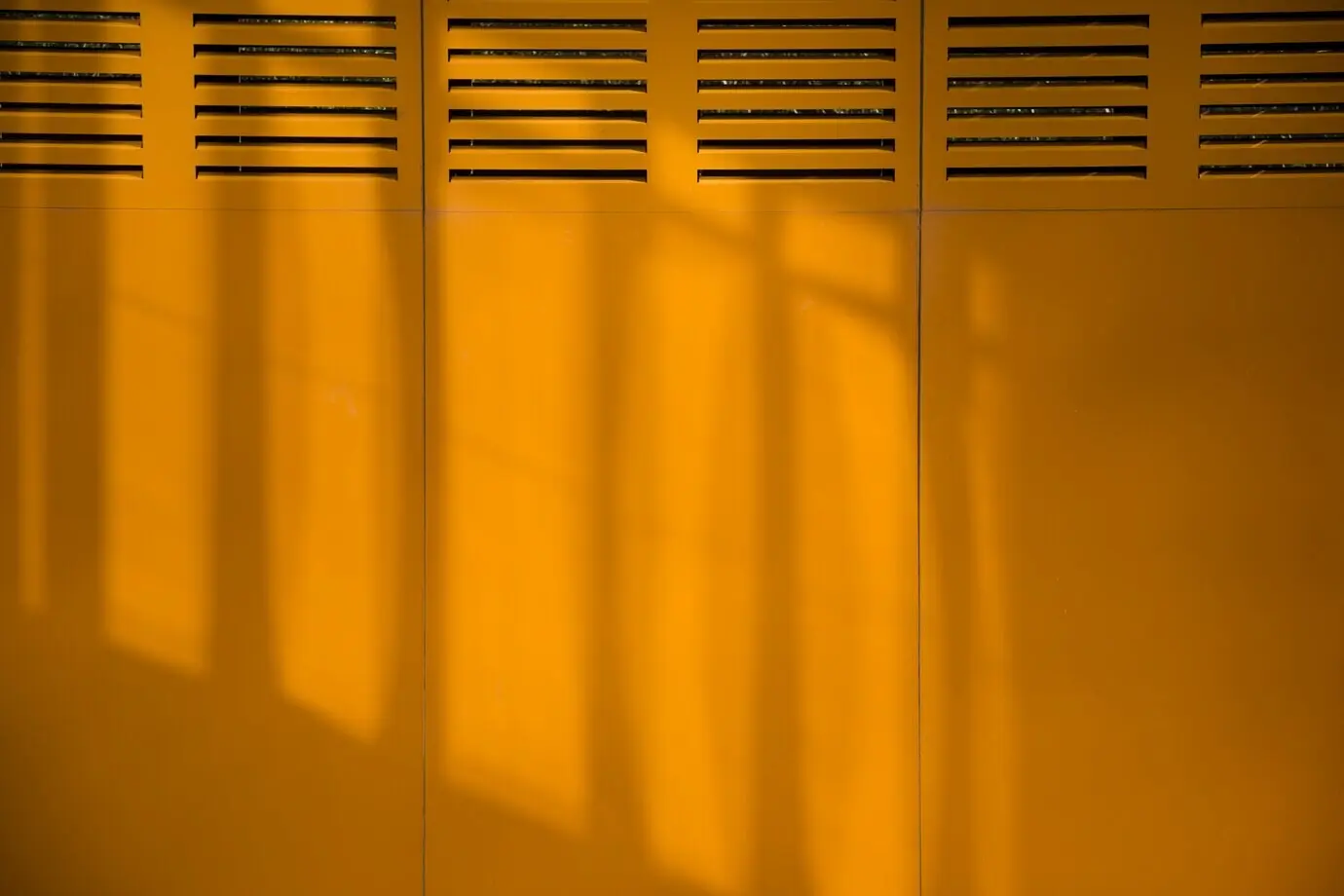
Stories Carved from Light and Shadow

Step behind the screen and discover how shadow puppetry and cutout art turn simple silhouettes into unforgettable journeys. Today we explore storytelling with light, blending craft, history, and performance, while offering practical steps, safety tips, and inventive techniques so you can build luminous stories at home, classrooms, and community stages.

From Campfires to Silver Screens

Across continents, people have animated leather, paper, and thin metal with a single bright flame, projecting lives larger than themselves. We trace lineages from Indonesian wayang kulit and Turkish Karagöz to Chinese screens and European salons, culminating in cinematic silhouettes that influenced generations of visual storytellers.

Wayang Kulit’s Ancestral Glow

In Java and Bali, master dalang puppeteers chant, improvise, and manipulate buffalo‑hide figures against white cloth, guided by oil lamps or bulbs. The audience watches both image and maker, learning ethics, humor, and myth as shadows stretch, collapse, and soar through night‑long epics and communal ceremonies.
Karagöz, Hacivat, and Laughter in the Dark

Across Ottoman coffeehouses, satirical banter between Karagöz and Hacivat punctured pomposity, mixing slapstick with social critique. Colorful animal‑skin figures, pierced for glowing detail, danced on portable screens, proving that light can expose hypocrisy while uniting strangers in shared delight, gossip, music, and delicious late‑night pastries.
Lotte Reiniger and the Animated Silhouette

Using paper cutouts, multi‑plane glass, and backlit stages, Lotte Reiniger crafted pioneering feature‑length animation, decades before many mainstream techniques. Her meticulous joints, interchangeable heads, and delicate props created lyrical motion, proving silhouettes could carry nuanced emotion, romantic tension, and playful wit without a single visible facial feature.
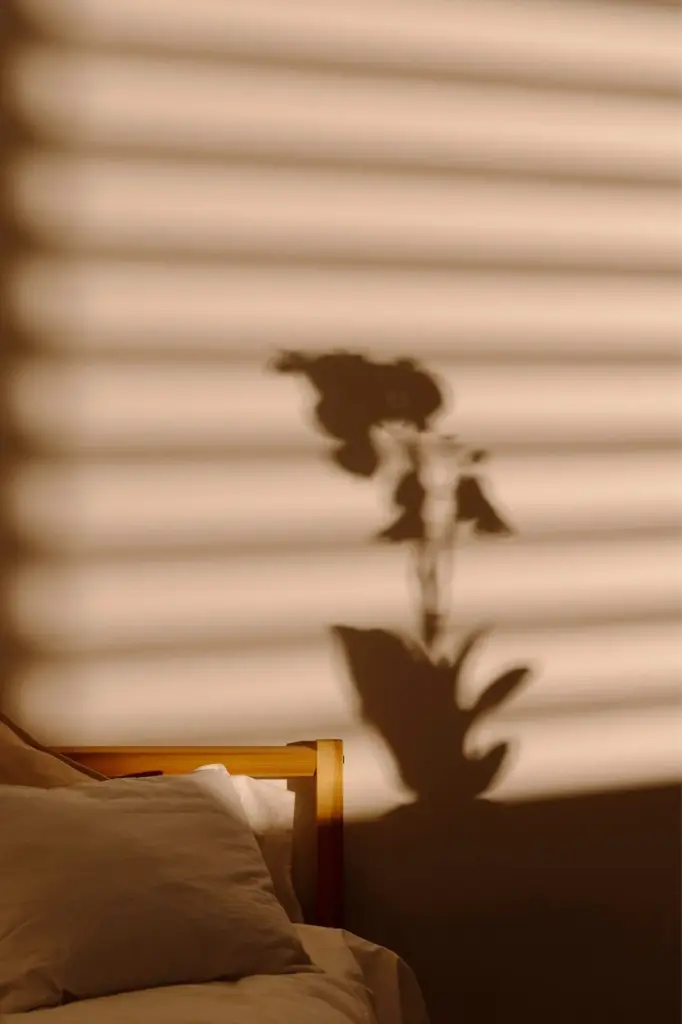
Materials, Light, and the Perfect Screen

Choosing Light Sources

LED panels reduce heat and power draw, halogen bulbs deliver saturated warmth, and mini projectors shapeshift textures with video loops. Diffusers soften glare while color gels sculpt mood. Always test distances, angles, and dimmers, protecting performers and screens from scorch, flicker, and distracting spill during sensitive cues.

Papers, Leathers, and Cutting Choices

Cardstock holds tiny bridges reliably, oiled parchment glows like amber, and thin leather flexes without tearing at joints. Combine acetates for stained‑glass effects, or Tyvek for tear‑resistant wings. Mark grain direction, score carefully, and reserve fresh blades to prevent fuzzed edges that muddy silhouettes under intense illumination.

Rods, Joints, and Control Systems

Bamboo rods transmit tactile nuance, carbon fiber reduces fatigue, and magnet couplers enable fast swaps mid‑scene. Brass brads, thread hinges, or miniature rivets anchor limbs without squeak. Test articulation arcs on the screen, ensuring wrists, knees, and tails read cleanly when backlit and scaled for the audience.

Directing Movement, Breath, and Timing

Gesture Language of Silhouettes

Because faces lack detail, clarity comes from spine angles, elbow geometry, and speed. A slow incline begs for empathy; a snap suggests surprise. Rehearse shadow‑only pantomime, refining entries, eyelines, and overlaps so audiences immediately sense desire, conflict, and resolution through clean, legible contour changes.

Rhythm, Music, and Voice

Percussion sets walking pace, flutes signal weather, and drones hold suspense like sustained breath. Practice cue sheets that interlace dialogue, footsteps, and light fades. When a cymbal decays or a vowel lingers, let the puppet respond, honoring sound as partner rather than afterthought in storytelling.

Scale, Depth, and Parallax

By sliding figures closer to the light, silhouettes enlarge and soften; nearer the screen, edges sharpen and shrink. Layer moving scenery on separate rods to create parallax, turning flat cloth into convincing depth. Map blocking meticulously so crossings read intentional, not accidental collisions of limbs.

Designing Narratives in Negative Space

Writing for shadows means trusting suggestion over detail. Characters must be readable by outline alone, while props communicate scale through silhouette exaggeration. We’ll draft arcs, dissolve transitions, and scenic beats that use darkness as punctuation, letting light reveal crucial turns and conceal elegant misdirection when necessary.

Build a Home Shadow Theater

You can transform a doorway or table into a radiant stage with simple materials and patience. We’ll sketch a foldable frame, choose safe lamps, and rehearse with cardboard tests, so families, teachers, and small troupes can create moving evenings that fit modest budgets and busy calendars.

Safe Workspace and Setup

Clamp lights securely, route cables away from feet, and keep hot fixtures distanced from fabric. Provide ventilation for oil‑based lamps, and stock water, sand, or an extinguisher. Establish quiet zones behind the screen, protecting concentration, while front‑of‑house hosts greet guests and guide seating with welcoming clarity.

Cutting, Storage, and Repair

Adopt slow, supported cuts near joints; rotate the piece, not your wrist, to maintain control. Store puppets flat between baking parchment and boards. Keep cyanoacrylate, tissue reinforcements, and micro‑washers ready, so emergencies become teachable moments rather than panic that derails fragile community performances.

A First Show for Family or Class

Start with a folktale under ten minutes, two puppeteers, and minimal scenery. Use recurring motifs, like a lantern or bird, to signal acts. Invite children to operate wind or rain with textured screens, building confidence through participation that turns spectators into collaborators and proud storytellers.

New Frontiers with Digital Light

Traditional silhouettes flourish alongside modern tools that expand texture, timing, and reach. By blending live shadows with projection mapping, stop‑motion, or tablet‑drawn animations, artists remix centuries of craft into fresh experiences, inviting audiences to interact, comment, and revisit performances through streaming, archives, and shared tutorials.
Layer hand‑cut silhouettes over reactive visuals triggered from a tablet, blending analog warmth and responsive color. A MIDI controller can fade lamps, cross‑dissolve video, and cue samples from footsteps to night insects. Document rehearsals meticulously to stabilize tech, preserving spontaneity without sacrificing reliability during touring runs.
Photograph silhouettes frame by frame to craft intricate sequences impossible in real time, then integrate the clips into live shows as memories or visions. Mix paper textures, smoke, and ink in water for dreamlike transitions that amplify emotion while keeping the craft’s tactile honesty front and center.
Submit recordings to shadow festivals, host neighborhood salons, and exchange patterns freely with credits. Invite readers to subscribe, comment with experiments, and share behind‑the‑screen photos. Collective learning keeps the light bright, carrying stories farther while honoring teachers, collaborators, and curious newcomers discovering this luminous practice.
Tikekakorunevezaroki
Privacy Overview

This website uses cookies so that we can provide you with the best user experience possible. Cookie information is stored in your browser and performs functions such as recognising you when you return to our website and helping our team to understand which sections of the website you find most interesting and useful.