Sculpting Shadows: The Art of Silhouette Photography
Step into a world where outlines speak louder than details as we explore silhouette photography techniques for dramatic light and shadow. Discover how backlight, exposure choices, composition, and sensitive storytelling invite emotion, mystery, and clarity, helping your images breathe powerfully without revealing a single facial feature. Let edges, color, and timing shape unforgettable scenes today.

Backlight That Breathes Life into Outlines
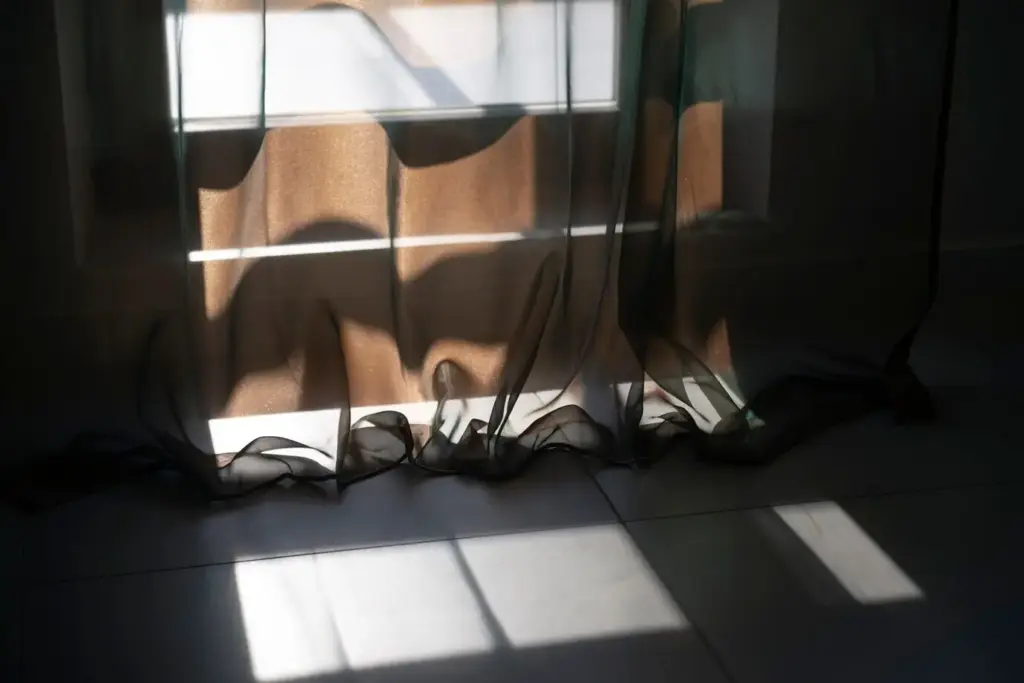
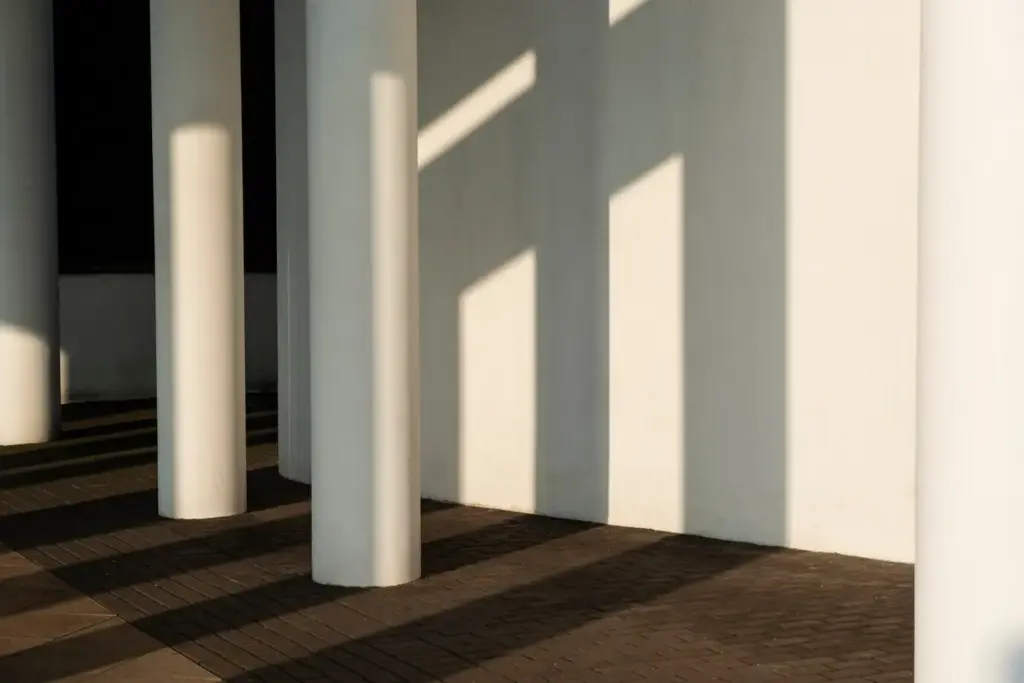
Backlight turns simple figures into compelling symbols, separating subject from background and simplifying busy environments into readable shapes. Learn how to place your light source, create distance, avoid muddy overlaps, and tame flare so contours remain clean and storytelling remains bold. Mastering this foundational approach unlocks consistent, dramatic results in changing conditions.
Exposure, Metering, and the Pursuit of Ink-Black Shadows
Controlling exposure determines whether your scene whispers suggested detail or plunges boldly into graphic contrast. Meter highlights with intention, decide how deep you want shadows, and use histograms to protect color in the sky. With raw files and consistent technique, you will confidently shape mood without sacrificing essential brilliance.
Spot Metering on Highlights
Point your meter at the brightest sky region or a rim-lit edge, then lock exposure before reframing. This keeps luminous areas saturated and prevents the dreaded washed-out glow. Combine with manual mode for control and bracket cautiously when needed, ensuring silhouettes remain expressive rather than muddy or accidental.
Choosing Between ETTR and Absolute Silhouette
Decide whether to expose to the right to retain slight tonal nuance for later grading, or deliberately crush shadows into pure black for graphic punch. Review histograms carefully, mind channel clipping, and lean on raw latitude. Either approach works, provided your intention is clear and highlights remain protected.
Composition That Speaks Without Faces
When features disappear, posture, spacing, and context do the talking. Compose with negative space, isolate gestures, and align lines so viewers immediately understand intent. Practice reading the scene like a stage director, balancing scale and rhythm. Strong silhouettes rely on clarity, not coincidence, guiding attention with unmistakable purpose.
Gesture, Posture, and Negative Space
Invite your subject to exaggerate shape by extending arms, turning profiles, or lifting props that define identity in a glance. Carve negative space between limbs and background elements so forms breathe. A tiny pivot can transform confusion into instant recognition, allowing stories to emerge from minimal visual cues.
Layering for Depth and Separation
Place foreground shapes against lighter midgrounds and vibrant skies to create dimensionality without detail. Stagger distances to avoid overlapping heads or limbs, and choreograph spacing so each silhouette reads clearly. The result feels cinematic, guiding the eye through planes while preserving a minimalist spirit and powerful clarity.
Framing with Architecture and Nature
Use arches, windows, cliffs, and tree branches to create frames that focus attention on a subject’s edge. Avoid tangent lines that kiss outlines awkwardly, and watch for power lines crossing faces. With patient repositioning, frames elevate tension, invite curiosity, and protect your silhouette’s integrity from distracting intrusions.
Tools and Settings That Keep You Agile
Lens Choices and Apertures for Edge Clarity
Primes offer contrast and speed, while zooms provide agile framing. Stop down slightly to sharpen edges and reduce aberrations, but not so far that diffraction softens fine lines. Consider lens coatings for flare resistance, and keep front elements spotless so your outlines remain crisp against glowing light.
Shutter Speed for Motion and Story
Choose faster shutter speeds to freeze energetic gestures like jumps or spinning fabric, preserving razor edges. Alternatively, slow down to let limbs blur while torsos stay readable, adding urgency. Balance motion with clarity by testing ranges, reviewing results immediately, and adjusting for wind, subject pace, and lens length.
Mobile Workflow: Phones That Paint with Darkness
Modern phones can produce compelling silhouettes using highlight-weighted metering or manual exposure apps. Tap to meter the bright sky, pull exposure down, and shoot burst sequences to capture evolving gestures. Stabilize with a mini tripod, process raw when available, and stack simple edits to maintain clean contrast.
Timing, Weather, and Color Moods
Light has personality, and your timing shapes narrative tone. Golden hour warms outlines, blue hour cools hearts, and storm light electrifies everything. Fog simplifies chaos, haze spreads glow, and reflections duplicate drama. By reading weather and color shifts, you will create silhouettes that feel intentional, fresh, and cinematic.

Post-Processing That Honors Mystery
Editing should amplify intention, not rescue confusion. Shape tonal curves to deepen blacks while preserving highlight color, guide eyes with subtle local adjustments, and keep edges uncontaminated by haze. Thoughtful color grading supports emotion, while restraint maintains intrigue. Your silhouettes stay bold, readable, and timeless across platforms and prints.
Ethics, Safety, and Respect in Public Spaces
Even when faces are hidden, individuals deserve consideration. Read context, interact politely, and step back if discomfort appears. In organized sessions, gather releases where appropriate. Protect identities in captions and metadata. Ethical decisions made today influence long-term relationships with communities and keep photography humane, empathetic, and sustainable.
Research local customs before photographing public gatherings, ceremonies, or sacred spaces. When posting, provide context that avoids misrepresentation, and credit collaborators generously. Consider the power dynamics embedded in images, especially when silhouettes imply anonymity. Responsible sharing ensures your work uplifts stories rather than exploiting them for quick attention.
Compelling backlight often appears near roads, shorelines, or elevated viewpoints. Wear visible clothing, keep a safe distance, and use a spotter when necessary. Avoid obstructing pathways and respect barriers. No photograph is worth injury, and careful planning ensures your creative momentum continues without preventable emergencies or regrets.
Practice Plans and Community Challenges
Skills solidify through repetition, reflection, and supportive feedback. Build a schedule that cycles locations, light types, and subject gestures. Set achievable constraints to spark originality. Share your progress, invite critique, and subscribe for weekly prompts. Together we will grow faster, celebrate breakthroughs, and keep curiosity joyfully alive.
Seven-Day Silhouette Sprint
Assign a micro goal each day: backlight outdoors, artificial glow indoors, gesture study, architecture framing, motion experiment, color grading, and a final sequence. Keep notes on settings, distances, and mistakes. By week’s end, compare outcomes and refine a repeatable process that fits your style and pace.
One-Light Experiments Indoors
Place a single light behind doors, translucent curtains, or diffusion fabric to mimic sunset magic anytime. Test angles, distances, and brightness. Photograph ordinary objects and watch them transform into graphic icons. Curiosity fuels growth, and controlled practice builds instincts you will rely on outside in unpredictable conditions.
All Rights Reserved.