Make Shadows Dance With Mirrors and Lenses

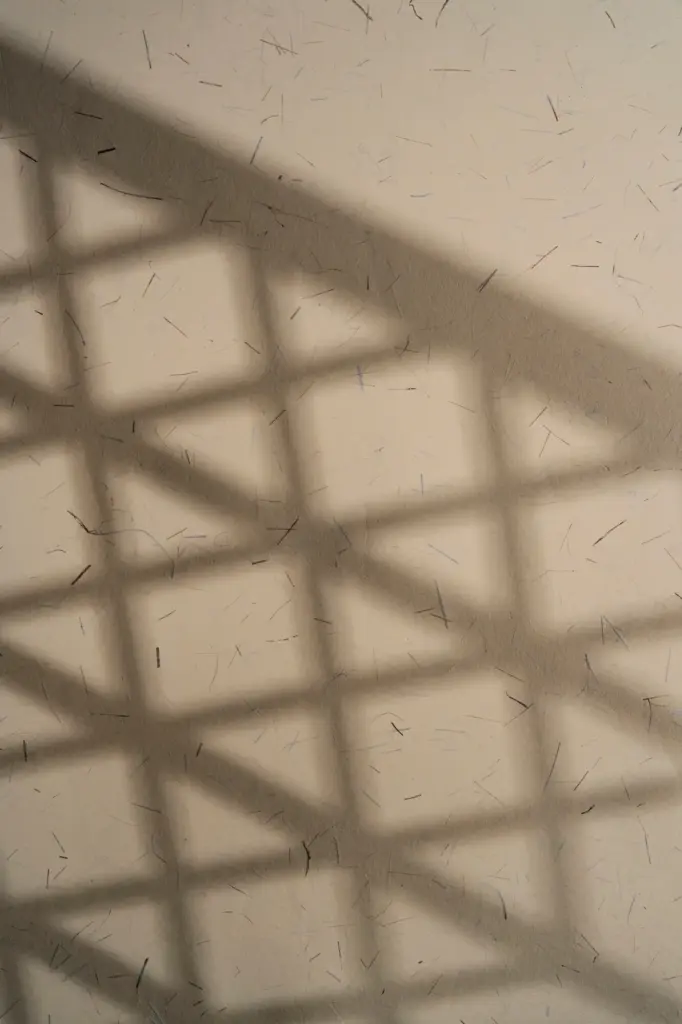
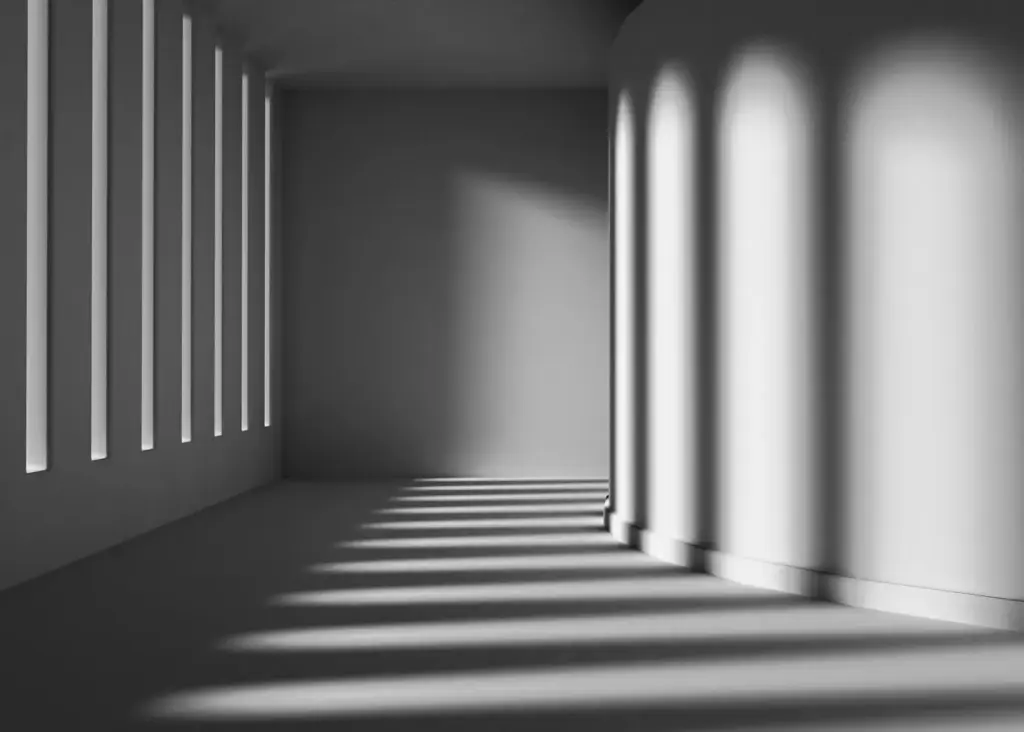
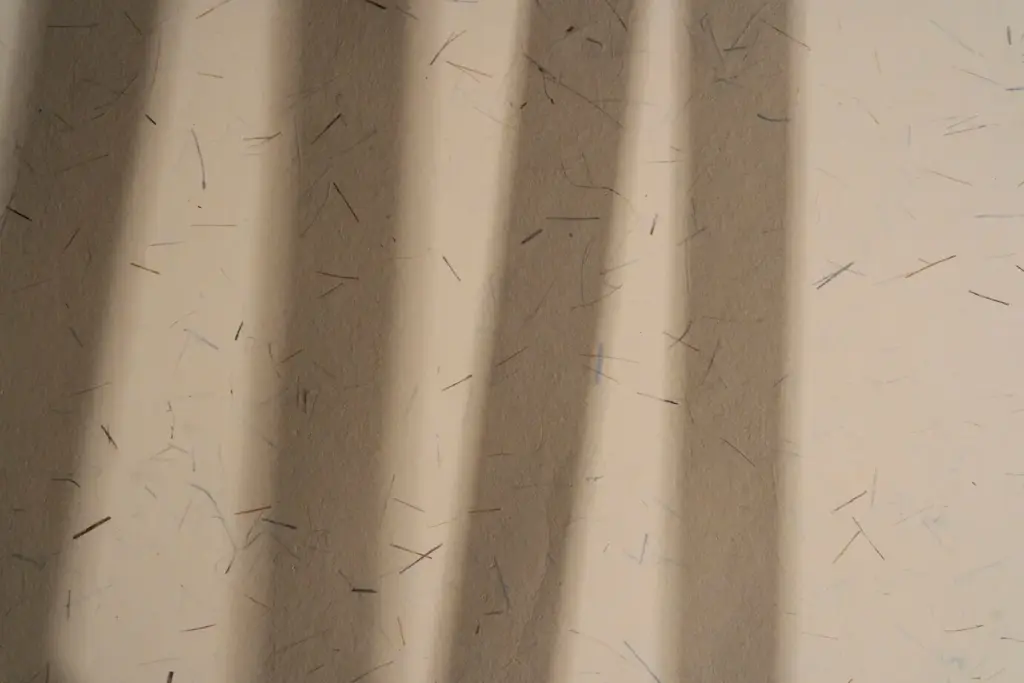
Today we explore home experiments with mirrors and lenses to manipulate shadows, turning everyday light into a playful collaborator. With simple tools, careful steps, and curious observation, you will bend beams, sharpen edges, multiply silhouettes, and transform your walls into living stories, all while understanding the gentle rules guiding reflection, refraction, distance, and brightness.

Light, Reflection, and Refraction Made Friendly

Before building dazzling setups, get cozy with how light travels, how mirrors redirect it, and how lenses bend it. Simple demonstrations reveal why some shadows look crisp while others soften into gray halos. This understanding helps you predict results, fix mistakes quickly, and design experiments that surprise, delight, and teach with every small adjustment.

Gather Your Toolkit From Around the House

Most ingredients for captivating shadow adventures are already nearby. A steady flashlight, a small mirror, a magnifying glass, white paper, tape, and a blank wall can create entire theaters of light. Add translucent baking parchment, a spoon, a bowl of water, and cardboard, and your living room becomes a safe, flexible laboratory, ready for careful, curious experiments.

Crispness Under Control

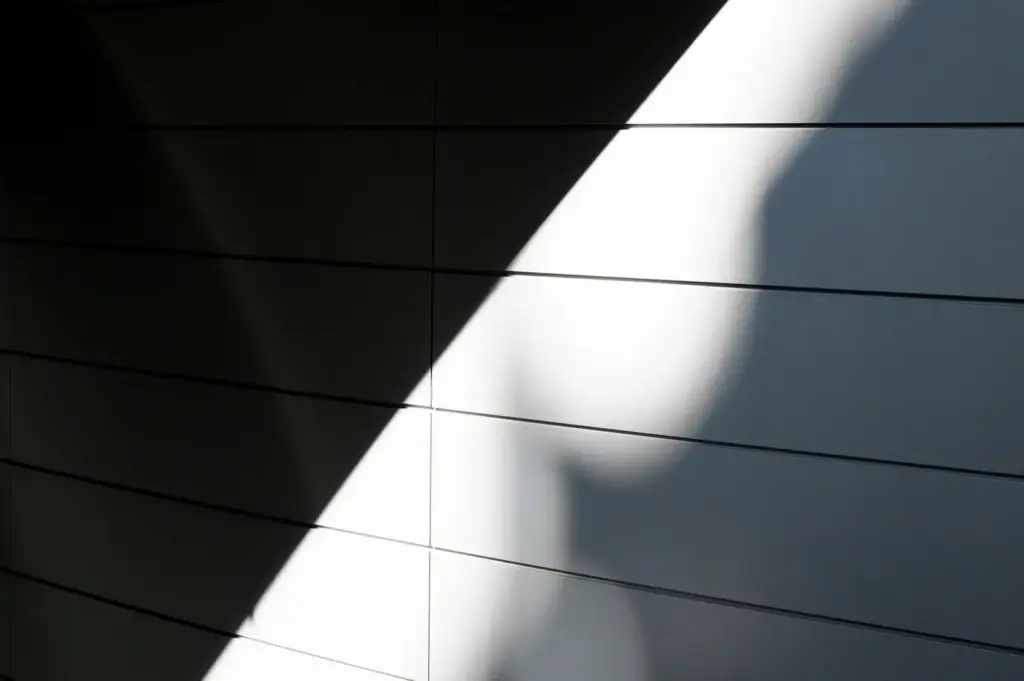
Place the flashlight far from your object and close to the wall to sharpen borders through geometry. Bring the light near your object to grow the penumbra and soften edges. Slip a magnifying glass in the beam to narrow rays for precision, or slide it slightly out of focus to encourage silky gradients that give your scene atmosphere.

Multiplying Silhouettes From One Lamp

Aim your flashlight at a small mirror so the reflection strikes the wall beside the direct beam. Now the same object casts two overlapping silhouettes, each with distinct intensity and softness. Add a second mirror for a third variation. Adjust angles fractionally to choreograph how these shapes meet, cross, and separate, like dancers following subtly different rhythms.

Stretch, Shrink, and Sway

A convex mirror spreads rays, enlarging and softening the shadow, while a concave mirror can concentrate light, shrinking and sharpening details. Slowly tilt lenses to stretch the silhouette sideways like taffy. Rock the setup gently to animate movement, turning still objects into storytellers. These micro-adjustments reveal rich control without complicated gear, encouraging precise, thoughtful exploration.

Playful Builds: Periscope Paths, Liquid Optics, and Puppet Stages

Turn simple materials into imaginative rigs that guide light like a friendly maze. A tiny periscope hops beams over obstacles. A water lens paints rippling caustics that reshape silhouettes. A puppet stage grows expressive with focused light and reflective fills. Each build invites experimentation, sparks conversation, and deepens hands-on intuition about how beams choose their journeys.

Corner-Periscope For Sneaky Beams

Tape two small mirrors inside a cardboard elbow at forty-five degrees and slide it around a corner. Your beam leaps obstacles, delivering a shadow to a chosen spot. Adjust mirror spacing and angles to refine alignment. This playful device makes geometry visible, turning hallway corners into stages and carefully measured degrees into practical tools with surprising charm.

Liquid Lenses and Dancing Caustics

Fill a zip bag with water and seal it tightly, then suspend it in the beam. Gentle pressure reshapes the droplet’s curvature, shifting focus and breathing motion into the shadow. The shimmering caustics sculpt edges with living texture. Keep heat sources modest and never concentrate sunlight unattended, preserving safety while you enjoy mesmerizing, endlessly adjustable effects.

Shadow Puppets With Optical Flair

Cut characters from cardstock and set them between light and screen. Use a magnifying glass to enlarge a tiny protagonist, then bounce a subtle fill from foil to reveal delicate hands. A mirror can spotlight a scene change instantly. Through small tweaks, your stage becomes expressive, combining storytelling with optical control that delights audiences of every age.

DIY Collimated Beam For Detail

Mount a magnifying glass a small distance in front of your flashlight to narrow its spread. Test distances until edges appear exceptionally sharp on your screen. This crisper beam reveals fine cutouts and filament-thin gaps. Photograph at a low ISO, lean on a steady support, and tap gently to avoid blur while documenting minute, satisfying changes.

Bounce To Balance Contrast

Place a card wrapped in aluminum foil opposite your primary beam to lift deep shadows without washing edges. Fine-tune distance to maintain drama while retrieving subtle texture. Photographing this controlled gradient helps your camera capture nuance that the eye remembers. Compare shots, annotate settings, and repeat until the balance feels purposeful, consistent, and reliably reproducible.

Animate With Motion And Rhythm

Rotate a lens slightly, squeeze a water bag, or swing a mirror a few degrees to animate shapes. Record slow motion or time-lapse to reveal patterns that the moment hides. Small oscillations create breathing silhouettes; larger arcs choreograph sweeping transformations. These experiments become short films that teach by showing, making optical principles instantly memorable and shareable.

Measuring Focal Length At Home

Shine your flashlight through a magnifying glass onto a wall and slide the lens until the smallest, brightest spot appears. The lens-to-wall distance approximates focal length for that setup. Record this number on sticky tape attached to the handle. Now you can predict where crispness emerges, repeating results quickly instead of guessing, and improving every new experiment.

Proving Equal Angles With A Mirror

Print or draw a protractor, tape it to your table, and place a small mirror upright along the baseline. Aim a thin beam or a pencil-and-string mock ray at a chosen angle, then observe the outgoing companion. The angles match beautifully. Mark observations and reflect on tiny measurement errors, learning how careful alignment makes precision feel wonderfully achievable.

Safety, Care, and Community

Guard eyes, prevent heat damage, and respect reflective surfaces as you play with light. Maintain supervision for kids, handle glass gently, and never focus sunlight unattended. When results surprise you, share images, diagrams, and notes. Your experiences help others learn faster, inspire brave new experiments, and turn a quiet room into a warm, collaborative workshop.

Protect Eyes, Hands, And Wonder

Avoid aiming bright beams at faces, and skip strong lasers entirely. If sunlight participates, keep it indirect or brief and watch for concentration through lenses or windows. Provide safe distances, use stable mounts, and reserve extra care around children. Clear, calm habits preserve both safety and delight, letting curiosity stay playful instead of risky or rushed.
Mind The Heat And Fragile Surfaces

Concentrated light can warm dark materials and damage finishes. Keep lenses and mirrors moving or at low intensity when experimenting near delicate objects. Never leave a focused setup unattended, especially near windows on sunny days. Store glass carefully, wipe fingerprints, and retire chipped pieces responsibly. Thoughtful care extends the life of your toolkit and your creative sessions.
Share, Subscribe, And Spark Conversations

Post photos of your clever builds, upload quick diagrams, and describe key measurements so others can replicate your results. Ask questions, suggest improvements, and subscribe for upcoming challenges that blend art with optics. Your comments help refine tutorials, while community feedback turns small discoveries into robust techniques that welcome newcomers and celebrate every curious, careful experiment.

Tikekakorunevezaroki
Privacy Overview

This website uses cookies so that we can provide you with the best user experience possible. Cookie information is stored in your browser and performs functions such as recognising you when you return to our website and helping our team to understand which sections of the website you find most interesting and useful.